Channels change. Audience attention does not get easier.
Platform tactics evolve, but the useful question stays the same: what the viewer needs to understand, feel, remember, or do after watching.
Animation
Discover how animation marketing videos simplify complex ideas, boost audience engagement, and strengthen brand identity with practical production insights and examples.
 Written byJason SirotinPartner, Producer & Director
Animation
Marketing video guidance for teams planning content that has to perform.
Marketing Context
A strong marketing video is not just a finished file. It needs a clear audience, a useful hook, the right versions, smart placement, and a reason for someone to care after the first few seconds.
Platform tactics evolve, but the useful question stays the same: what the viewer needs to understand, feel, remember, or do after watching.
Marketing video usually needs cutdowns, thumbnails, captions, channel-specific openings, paid-media crops, landing-page context, and a path from awareness into action.
Before production, connect the concept to where it will run: website, paid social, sales, broadcast, CTV, email, events, internal launch, or campaign support.
Article
Discover how animation marketing videos simplify complex ideas, boost audience engagement, and strengthen brand identity with practical production insights and examples.
Help marketing and production professionals decide how animation videos can clarify messaging and elevate audience connection.
In today’s crowded digital landscape, animation marketing videos stand out by making complex ideas easy to understand and emotionally engaging. Unlike traditional live-action, animation offers unmatched flexibility in visual storytelling—allowing brands to visualize abstract concepts, demonstrate products, or illustrate processes without the constraints of physical shoots. This versatility helps brands capture attention quickly, simplify messaging, and create memorable experiences that resonate across platforms.
Selecting the right animation style depends on your brand’s personality, message complexity, and audience preferences. 2D animation remains a go-to for approachable, character-driven stories, ideal for explainer videos or brand narratives. For product demos or immersive storytelling, 3D animation adds realism and depth. Motion graphics excel at visualizing data or abstract concepts, while whiteboard animation offers an educational, step-by-step feel. Combining styles or integrating live-action footage can create unique hybrid videos that stand out.
Successful animation marketing videos start with clear strategy and pre-production planning. Scriptwriting must focus on concise messaging that pairs well with visual storytelling. Storyboarding helps visualize pacing and flow before animation begins, saving time and budget. During production, attention to color palettes, character design, and motion style ensures brand consistency. Post-production sound design—music, voiceover, and effects—enhances emotional impact and viewer retention. Finally, plan delivery formats and aspect ratios optimized for your distribution channels, whether social media, websites, or presentations.
To make your animation marketing videos stand out, consider integrating advanced techniques like 3D animation for lifelike product demonstrations or augmented reality (AR) to create interactive experiences. Thoughtful sound design and immersive audio can deepen emotional engagement. Mixed media approaches—blending animation with live-action or motion graphics—offer layered storytelling that appeals to diverse audiences and platforms. These investments can increase shareability and viewer connection, making your content more effective.
Brands like Chipotle, Coca-Cola, and Google have harnessed animation to create powerful marketing campaigns. Chipotle’s rustic animated "Back to the Start" video communicated sustainability values with emotional storytelling. Coca-Cola’s animated polar bears have become iconic symbols of warmth and togetherness during the holidays. Google’s "Friends Furever" campaign used charming animated animal friendships to celebrate inclusivity, generating viral engagement. These examples demonstrate how animation can reinforce brand identity and inspire audience loyalty.
The best animation style depends on your message and audience. 2D animation suits character-driven stories, 3D offers realism for product demos, motion graphics simplify data, and whiteboard is great for tutorials. Hybrid styles can combine these for unique effects.
Production timelines vary by complexity but generally range from 6 to 12 weeks. This includes scripting, storyboarding, animation, sound design, and revisions. Early planning and clear approvals speed up the process.
Yes. Animation videos are highly adaptable. By planning aspect ratios and formats during production, the same video can be optimized for social media, websites, presentations, and digital ads, ensuring consistent messaging everywhere.
The useful takeaway is how audience, creative direction, production choices, post-production, approvals, and delivery needs shape the final video plan.
Start with the goal, audience, deadline, where the finished piece needs to live, and the practical constraints that will affect creative and production decisions.
ECG can help connect the creative idea to production planning, filming, post-production, versioning, and delivery so the finished work fits the channel and the audience.
Visual Context
Articles perform better when readers can see what the thinking points toward. This visual break connects the topic to ECG production, post-production, real examples, and the next practical decision instead of leaving the page as a long read with no visual rhythm.
See related workArticle FAQ
These answers add practical context for the decisions that usually sit behind animation work: scope, timing, creative direction, production approach, and what the finished piece needs to accomplish.
The best animation style depends on your message and audience. 2D animation suits character-driven stories, 3D offers realism for product demos, motion graphics simplify data, and whiteboard is great for tutorials. Hybrid styles can combine these for unique effects.
Production timelines vary by complexity but generally range from 6 to 12 weeks. This includes scripting, storyboarding, animation, sound design, and revisions. Early planning and clear approvals speed up the process.
Yes. Animation videos are highly adaptable. By planning aspect ratios and formats during production, the same video can be optimized for social media, websites, presentations, and digital ads, ensuring consistent messaging everywhere.
The useful takeaway is how audience, creative direction, production choices, post-production, approvals, and delivery needs shape the final video plan.
Start with the goal, audience, deadline, where the finished piece needs to live, and the practical constraints that will affect creative and production decisions.
ECG can help connect the creative idea to production planning, filming, post-production, versioning, and delivery so the finished work fits the channel and the audience.
Next Step
When an article sounds like your project, compare the relevant service path and nearby work before you make a production decision.
Read Next
Animation
Learning
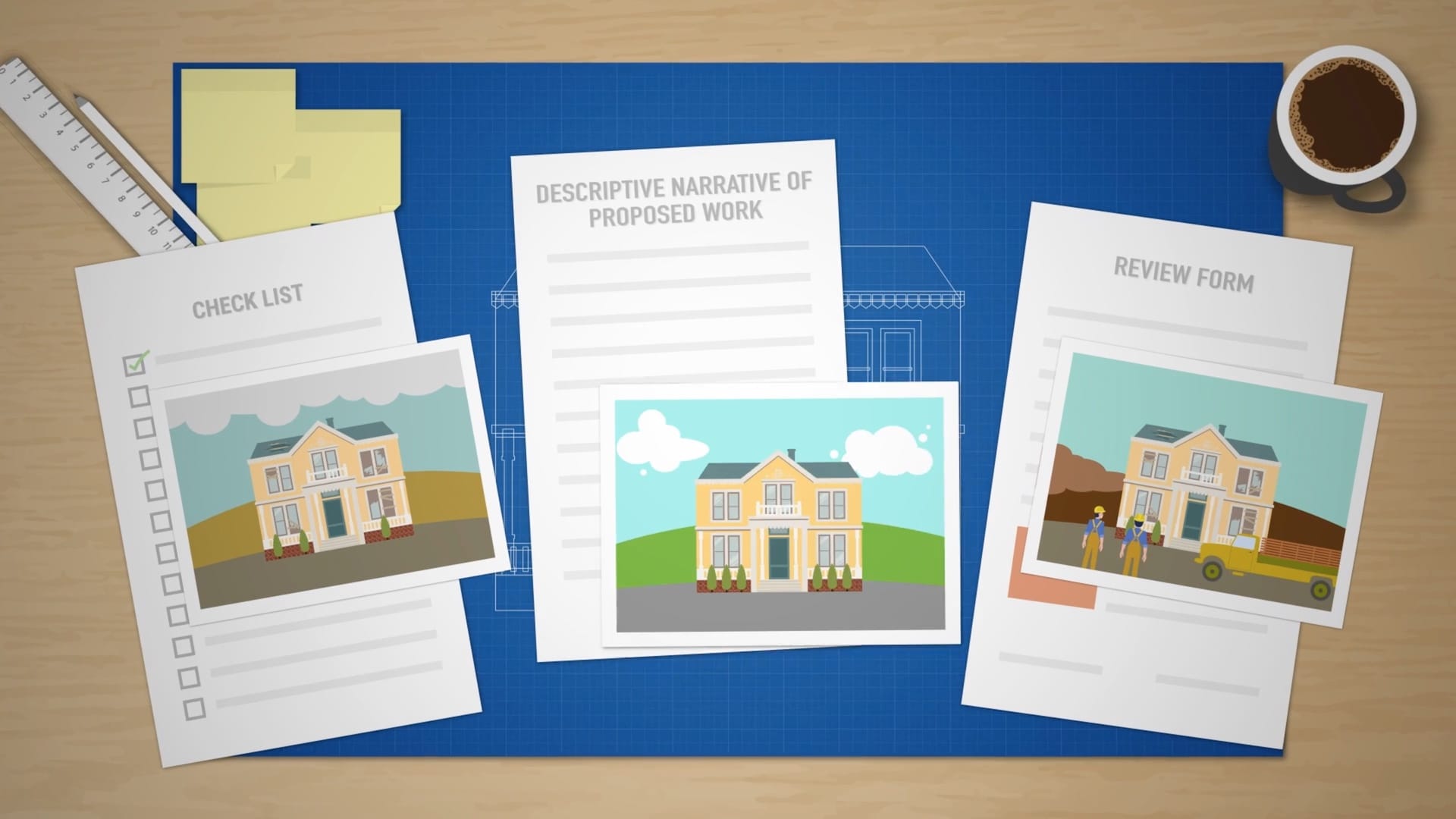
Animation helps explain the invisible, repeat the complex, and make training easier to retain.
Read article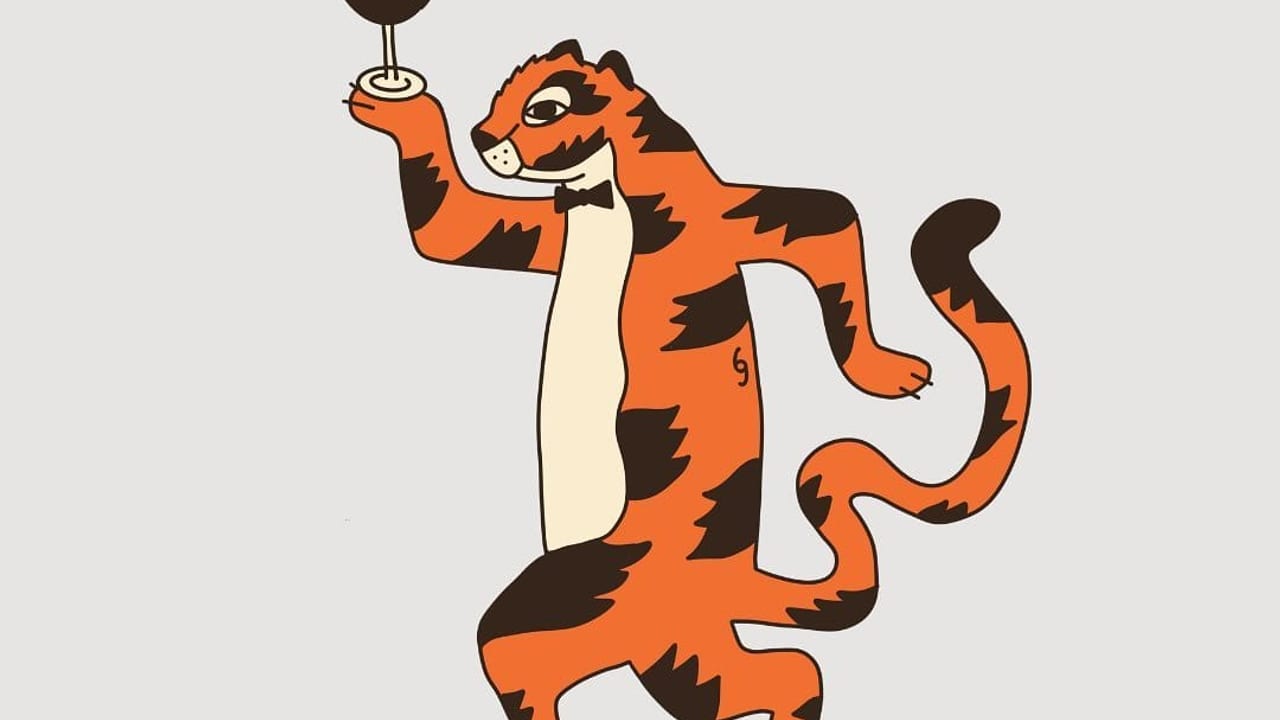
Strategy
Strategy
Tipsy Thaiger Cocktail Videos is a strategy read for teams deciding who the video needs to reach, what it needs to say, where it will live, and what has to be clear before production dollars move.
Read article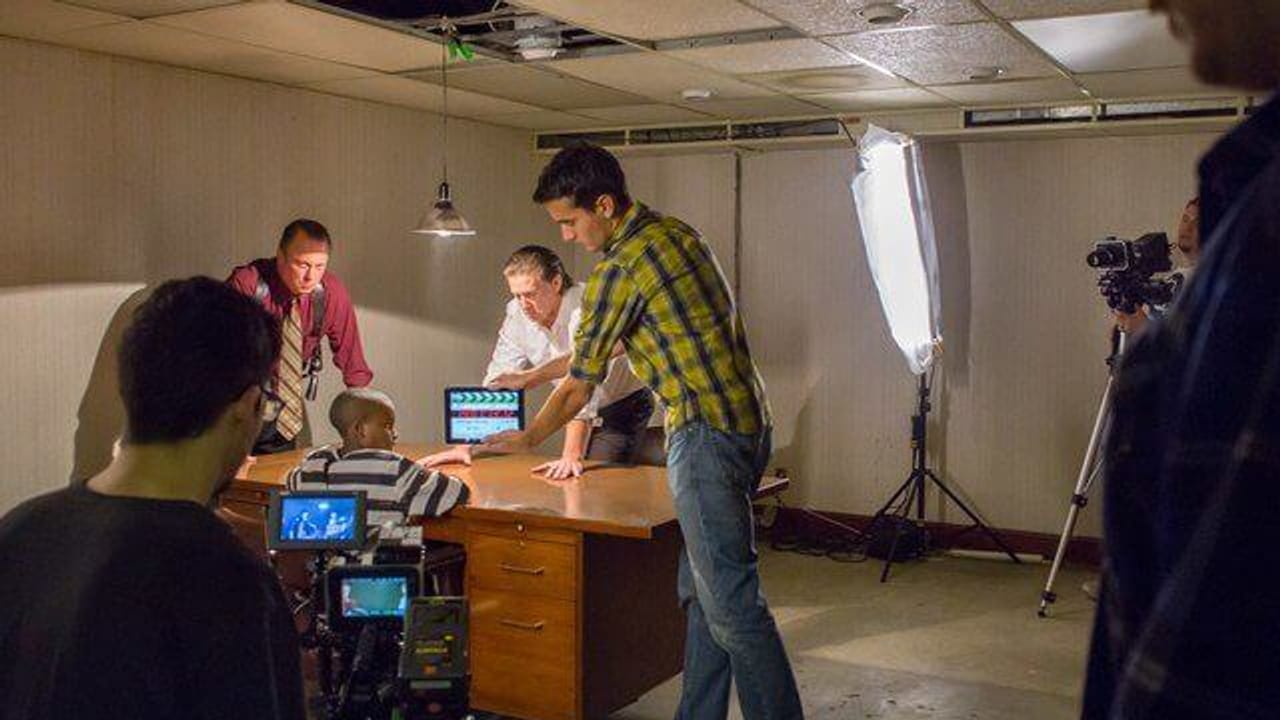
On Set
Behind The Scenes
Why the work around the work can become some of the most useful marketing content a brand owns.
Read article
Business
Business
Employee Participation in Corporate Videos: Why It Works and How to Do It Right shapes the budget conversation: the scope drivers to understand, the risks to plan around, and the decisions worth making before production starts.
Read article
Sound Strategy
Music And Brand Feel
Music is not background decoration. It controls pace, tension, memory, and whether a brand video feels believable before the viewer can explain why.
Read articleKeep Exploring
Related services, examples, and deeper reads add context around the creative choices, production decisions, and tradeoffs behind this topic.
Services
These service paths show where the production, post, animation, or package conversation usually goes next.
Service
2D Infographic Animation from ECG Productions helps make brands, data, products, and complex ideas easier to understand through motion.
Open pageService
3D Logo Animation from ECG Productions helps make brands, data, products, and complex ideas easier to understand through motion.
Open pageService
The Brand Starter Kit helps a growing company create the core video assets people look for before they trust you: a clear brand story, credible human proof, and prac...
Open pageService
Social Media Video Services from ECG Productions connects creative, production, post, and platform strategy around a campaign or brand goal.
Open pageWork
These examples show what the service, article, or category can look like in finished work.
2D and 3D Animation
Arby’s | Arby’s Foundation Impact shows how designed motion can make an idea clearer, more memorable, and easier to follow. It helps teams compare script clarity, st...
Open page2D and 3D Animation
The Arthur M. Blank Hospital: Amazing News From CHOA shows how designed motion can make an idea clearer, more memorable, and easier to follow. It helps teams compare...
Open pageBranded Content
Hello My Name Is… | A Musical Exploration is story-led brand work, which means the finished piece has to show more than polish. The important read is how the brand,...
Open pageRelated articles
These pieces add context around process, budget, creative choices, common mistakes, and what to ask next.
Animation
How Animation and Graphic Design Tools #2 - After Effects Plugins can make complex ideas clearer, more memorable, and easier for the audience to follow.
Open pageAnimation
How Going Deep - Art Techniques Used to Show Depth can make complex ideas clearer, more memorable, and easier for the audience to follow.
Open pageAnimation
How After Effects Tutorial - How to Make an Easy Item Carousel can make complex ideas clearer, more memorable, and easier for the audience to follow.
Open pageAnimation
How Motion Tracking Made Easy can make complex ideas clearer, more memorable, and easier for the audience to follow.
Open pageNext step
When this starts to sound like your situation, bring ECG the goal and the constraints.
Share This Article
Share the article, project, or service page with a teammate, client, producer, or stakeholder who needs the context before the next decision.